
Collapse
The long-term effects of living with threat and uncertainty

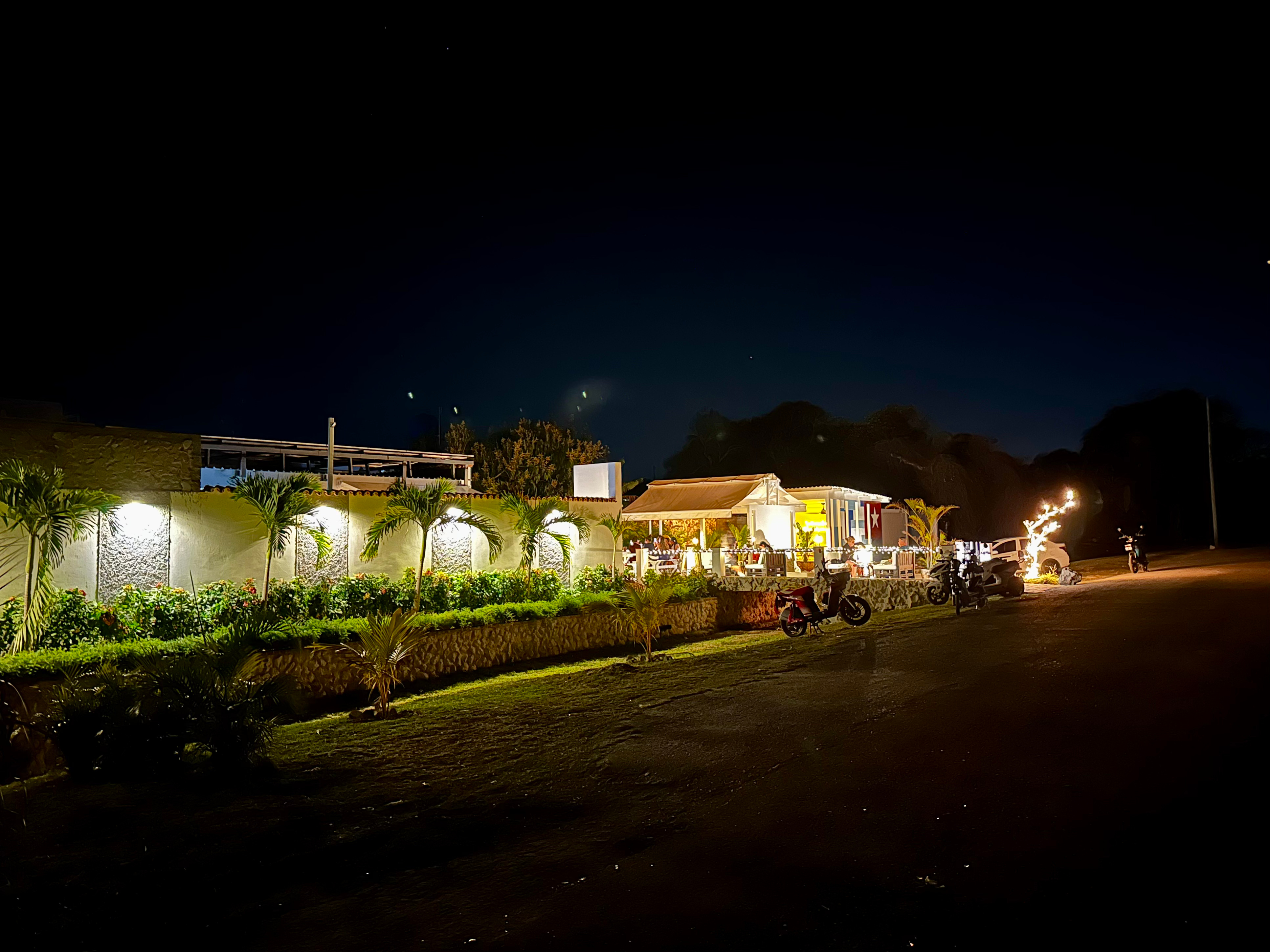
The first time Cuba’s national power grid failed – or at least, the first time it happened when I had any skin in the game – I freaked out. I was at a work conference in Washington, D.C. I hadn’t heard from Jesus at all that morning, and I was worried. I was sitting alone at a table in a room full of very important people from very important companies, picking at a few pieces of fruit on my breakfast plate and waiting for the day’s events to begin, when a New York Times headline about the island-wide outage flashed across my phone’s screen.
One of my colleagues said something to me just after I read the news, while I was still processing it, and it took me a moment to realize he was addressing me. I looked up and said “I’m sorry, did you just say something? I didn’t mean to ignore you.”
“You look just so thrilled to be here,” was his response.
What could I say? I didn’t know how to begin to explain what I was feeling or why I didn’t look “thrilled”. My conversations with people who weren’t in my inner circle were already so uncomfortable. Chitchat at a work event almost always turns to questions about family. My interactions around that topic tend to go something like this:
Q: What does your husband do?
A: He’s a gardener…he lives in Cuba. (Strange look from the other person.)
Q: Oh…really? What’s he doing there?
A: He lives there. (Even stranger look; awkward silence.)
People often assume my husband is a U.S. citizen who is working for the government or a university or a church group. Sometimes I have to clarify two or three times that he is actually, literally Cuban, and I almost always have to explain that no, he cannot just come to the United States with me.
That day of my first experience with a major blackout was agony. I tried to stay focused on the discussions I was supposed to be engaging in while my mind drifted to thoughts of what Jesus was enduring. My attention shifted to my phone at every break, but there was no word from him.
I imagined every possible thing that could go wrong. My mother-in-law was very ill at the time of that first island-wide outage, traveling to the hospital in Havana three times each week for dialysis. She was reliant on an oxygen concentrator when she was at home. Jesus’s aunt had somehow managed to bring a gas-powered generator with her from the U.S. on a recent visit, but what if it ran out of fuel? What if his mom had a health crisis and needed to get to the hospital unexpectedly?
If Jesus became ill or had an accident, I would have no way of knowing. He once fell out of a tree in his garden while clearing it of ripe avocados so they wouldn’t unexpectedly drop on a visitor. The fall scared him. It scared his mother-in-law Irene, who came running out of her house next to the garden when she heard him crash. Once he realized he wasn’t hurt, he promised her he wouldn’t be climbing any more trees. He didn’t tell me about the fall until my next visit to Cuba, knowing I would be terrified even though he came out of it unscathed. I thought about that fall for a long time afterward. What would have happened if he had broken a bone, or worse? In Cuba it’s never as simple as just calling an ambulance.
What if the power didn’t come back for days, and all the food in the freezer spoiled? One of the first things I learned about life in Cuba is that full refrigerators and freezers aren’t markers of abundance – they’re a survival strategy. They represent resource management. Our part of the house has a refrigerator and deep freezer, and there are several more refrigerators and freezers downstairs. They are kept full at all times against the possibility that food becomes unavailable. Jesus somehow keeps track of every item so he’s always taking the oldest ones first, and he never lets the food store get too low. But when there is no power, even if a freezer isn’t opened, it can only maintain cold for so long. The cost and logistics of replacing all that food at once would be devastating.
I sent Jesus a message during lunch, knowing it might not go through for hours. Espero que todo esté bien por alla. Por favor, enviame un mensaje cuando puedas. I hope everything is okay there. Please message me when you can. I added a heart emoji at the end and hit “send”.
That night I fell asleep feeling very alone in my hotel room, both far from my home and far from my husband.
For the first time since we struck up our friendship almost two years earlier, I went more than 24 hours without a response from Jesus. I didn’t hear from him until I was on my way back to Chicago the day after the grid went down.
He was fine. He was messaging me from the hospital, where he was waiting with his mom for her regularly scheduled dialysis treatment. Power had been restored in the area surrounding the hospital. He had a signal as long as he was there. I cried with relief when I saw his message come through while I was waiting to board my plane. The first thing he sent me was a selfie of him winking at me, the way he always does when he laughs.
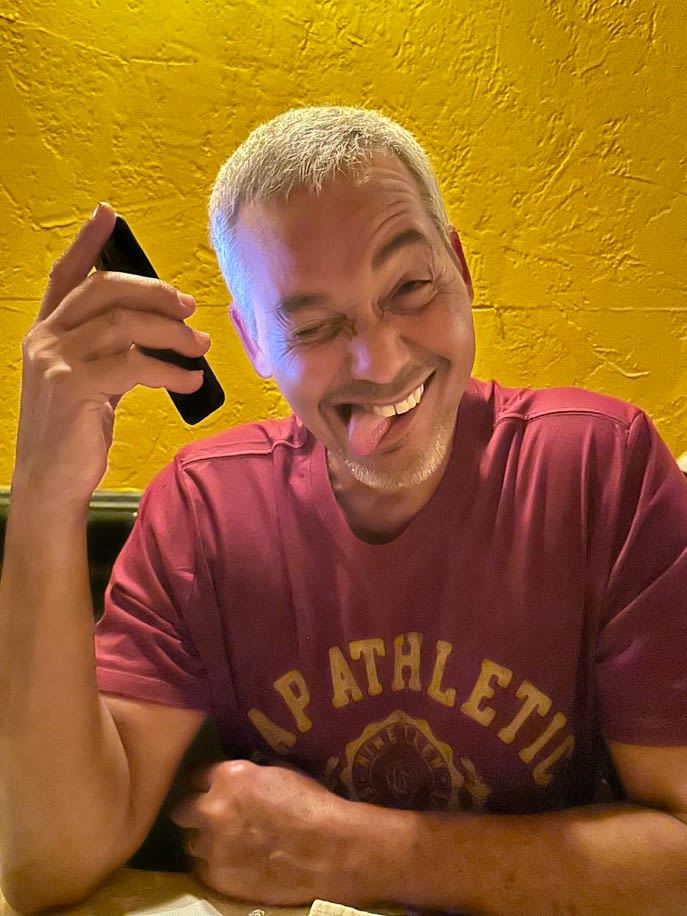
Two days before I wrote this essay, on March 16, 2026, three friends almost simultaneously sent me news items about yet another nationwide grid collapse.
Thankfully, I didn’t have to quickly pull myself together to perform for others this time.
I left my corporate position not long after that D.C. conference, when I was forced to choose between celebrating the new year with my husband – and what turned out to be my last chance to see my mother-in-law – and keeping my job. I chose to let the job go. Two and a half weeks later, I was turned down for a position at a different company after making it through five rounds of interviews.
That same day, which happened to be my 55th birthday, I became eligible to take an early distribution of my pension. It wouldn’t be enough to live on, but it would be enough to give me some breathing room while I figured out how to supplement it with other part-time sources of income.
Jesus has always told me that five is my numero preferido. I filed the pension paperwork and didn’t look back.
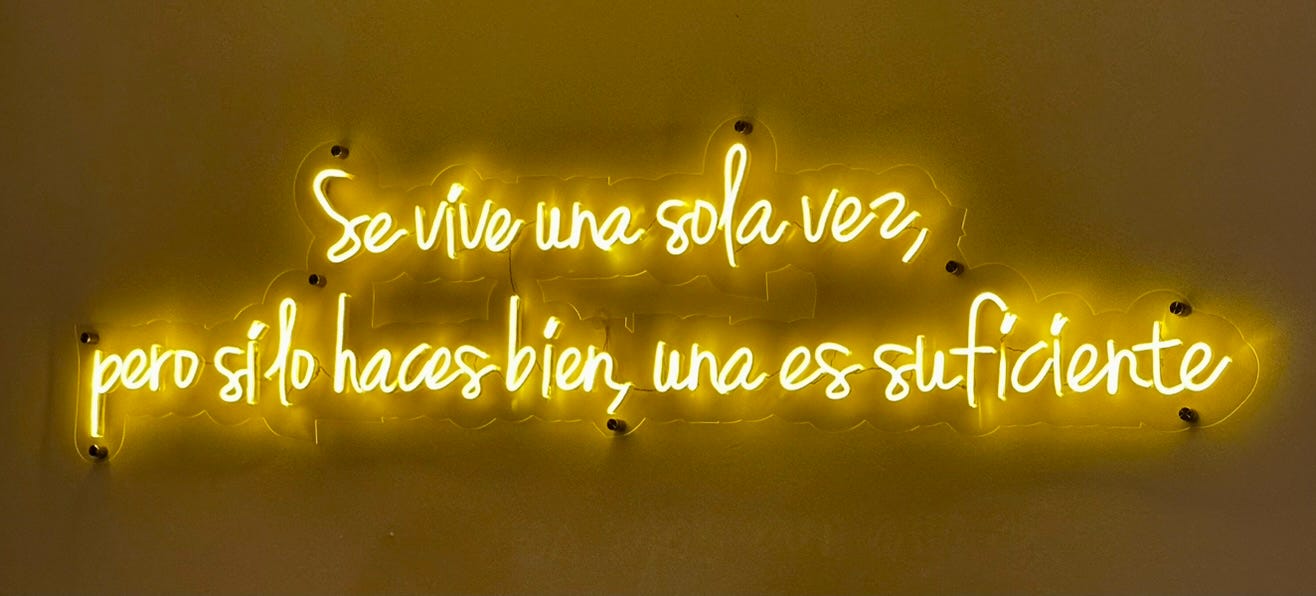
The news of the most recent outage was not a surprise. Given everything that has happened in terms of U.S.-Cuba relations over the last few months, I now monitor news about Cuba all day, every day. I had learned of the power outage just moments before my friends contacted me. Since that first major blackout, there have been enough unexpected widespread outages that I’ve lost track of how many times they have occurred. They are an unwelcome intrusion, but I know the drill now. I mentally prepared for 24 hours of no contact from Jesus.
And I had a panic attack.
Heart racing, body quivering, breath uneven. I had to ask my sons to repeat simple sentences two or three times before I could understand them.
The thing is, I didn’t consciously feel as if I were panicking. Some other part of me was off to the side, calmly observing the collapse of my nervous system. I wasn’t catastrophizing. I didn’t imagine Jesus falling down the stairs or having a heart attack. Intellectually I knew he would be ok, as ok as anyone can ever be in an uncertain world. He has electricity, thankfully, no matter what happens with the grid. He has a network of people there looking out for him the way he has always looked out for others. I wasn’t unusually concerned.
That’s the tricky thing about anxiety. I can usually tell when someone hasn’t spent years living under its dark shadow when they ask me, in the midst of a panic attack, “What are you worried about?” While there is often a trigger, as with this most recent blackout, there is usually no specific reason. No immediate cause that, if pinpointed, could be corrected to make the anxiety disappear. Anxiety isn’t a normal emotion, it’s a symptom of a nervous system misfiring and malfunctioning due to exhaustion and overload.
Not unlike a collapsing electrical grid.
What I was reacting to wasn’t the news of the outage. It was the cumulative effect of the uncertainty and volatility Jesus and I have been living under for more than a year. There are so many factors that have the potential to change the direction of our lives, that I can’t control. I can keep buying plane tickets, at least until I run out of money, but I can’t prevent flights from being canceled. I can complete mountains of paperwork, I can pay filing fees and attorney fees, but I can’t make U.S. Customs and Immigration Services process my petition for Jesus’s visa. I can bring suitcases of needed items to Cuba and fill the freezers with food while I’m there, but I can’t stop my own country from threatening and doing harm to the people I love.
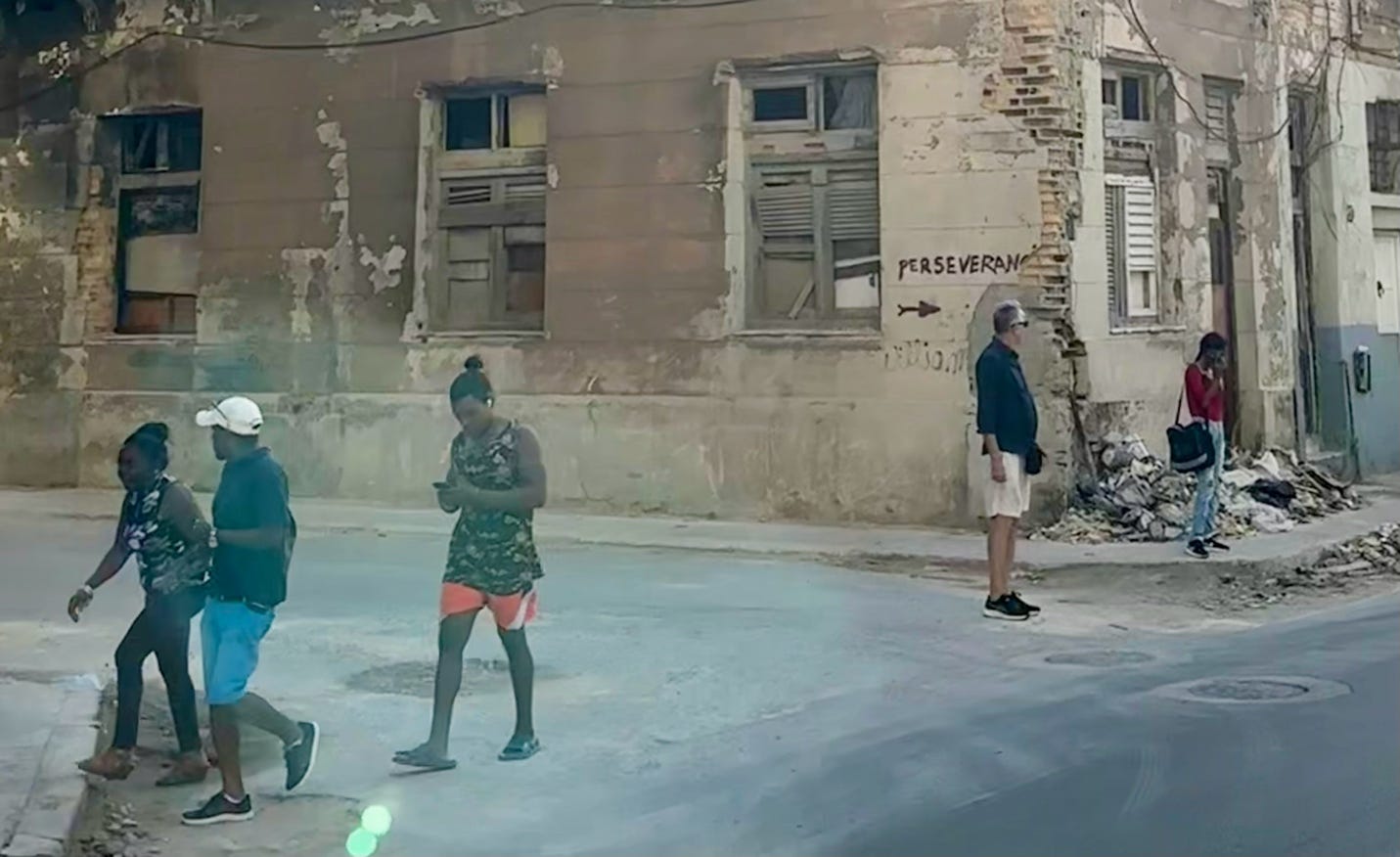
As much as I would like to think I’m mastering the art of living with the uncertainty of a husband in another country, a life in transition, and a world on fire, my body sometimes begs to differ.
The next morning, I woke up to a flood of notifications from Jesus, who had been writing to me throughout the previous day even though there was no signal to carry any of his messages to me. They arrived all at once shortly before 6 a.m. His last message read like a poem:
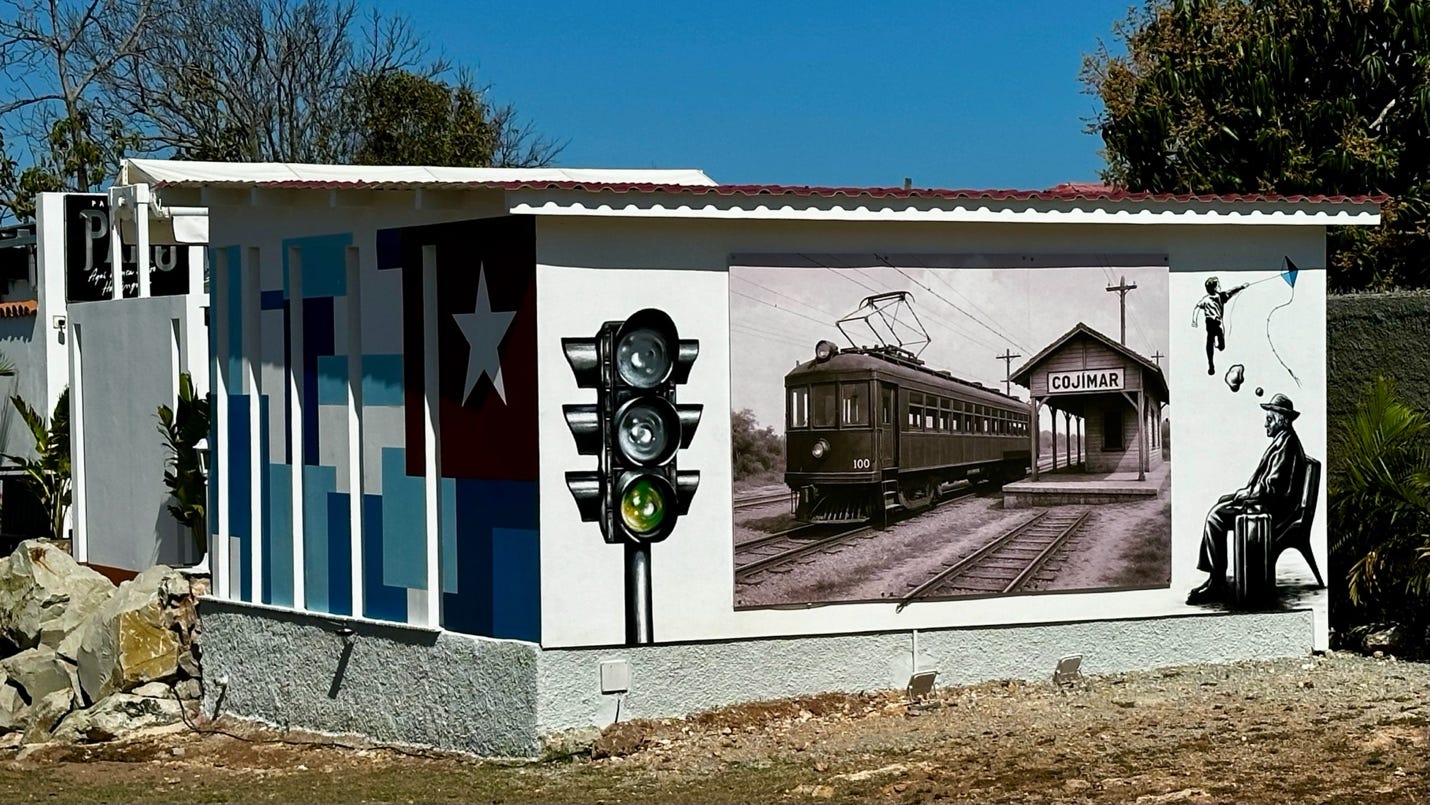
Tú eres mi semáforo de luces y
vista de tus OJOS VERDES
Dando paso a nuestras vidas
Juntos será más FUERTE
Recuerdalo Mami
You are my traffic light, and
The sight of your green eyes
Giving passage to our lives
Together it will be stronger
Remember it, Mami
If you would like to make a one-time donation to support my work, please click below. THANK YOU to all who have contributed, words cannot express my gratitude! Every little bit makes a difference and is greatly appreciated!
I only subscribed to you about a week ago and I’ve read everything you’ve written about Cuba and your experiences so far. My boyfriend lives in Cuba and on days when he hasn’t had a signal to text me it’s nice to read this and know that I’m not going through this experience alone. Your writing is beautiful and more people should know about your story and what Cuban’s experience. Thank you for writing.
Thank you for continuing to share your story. We are holding a fundraiser for a social services centre in Matanzas tomorrow. We can't make a big difference in the whole island but we can make a small difference in the lives of a few people.